
By Kevin Rademeyer, Sports Journalist.
Cricket rarely gives you much time to stop and reflect. One series blends into the next, players move between formats, and before you’ve fully appreciated one performance, another demands your attention. That is why the CSA Cricket Awards still matter. They provide a rare opportunity to step back and recognise not only outstanding individual performances, but also the broader story of a season.
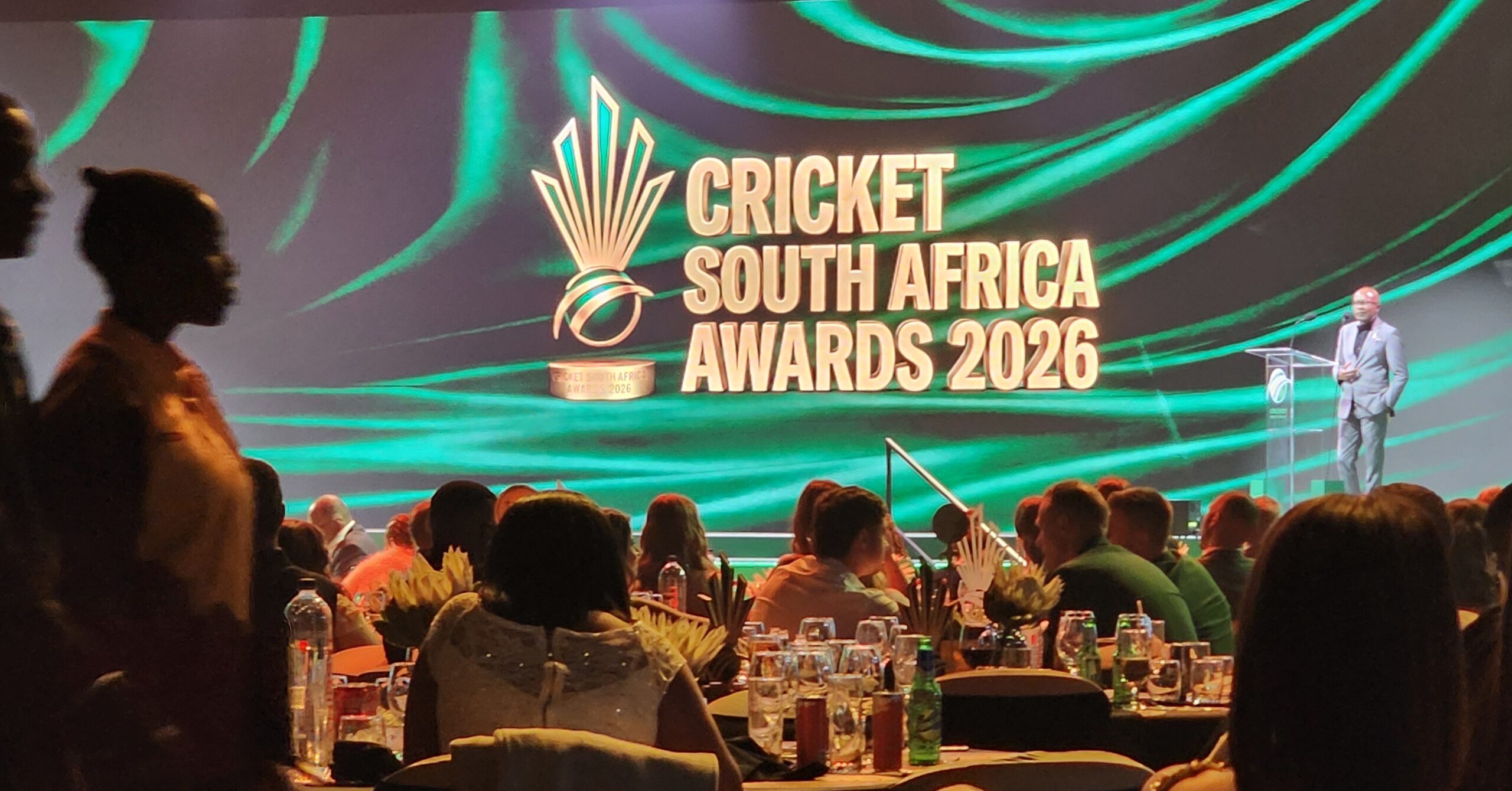
Last night’s awards, covering performances between 1 May 2025 and 30 April 2026, reflected a remarkable twelve months for South African cricket. There were milestones that had eluded generations, breakthrough performers announcing themselves on the biggest stages and established stars reminding everyone why they remain among the finest in the world.
It is difficult to think of a more fitting recipient of the men’s top honour than Aiden Markram.
Named both SA Men’s Player of the Year and Players’ Player of the Year, Markram’s season will forever be remembered for one innings. At Lord’s, with the weight of expectation sitting heavily on South African shoulders, he produced the century that carried the Proteas to victory over Australia in the World Test Championship final.
There are hundreds scored every year around the world. Very few change the way a player is remembered. Markram’s did.
He has always possessed elegant strokeplay and obvious talent, but that innings belonged in a different category. It came when the occasion demanded composure rather than flair and, in doing so, secured his place in one of the defining moments of South African cricket.
Laura Wolvaardt’s season required far less explanation.
She has reached the stage of her career where excellence almost feels routine, but there was nothing ordinary about the year she produced.
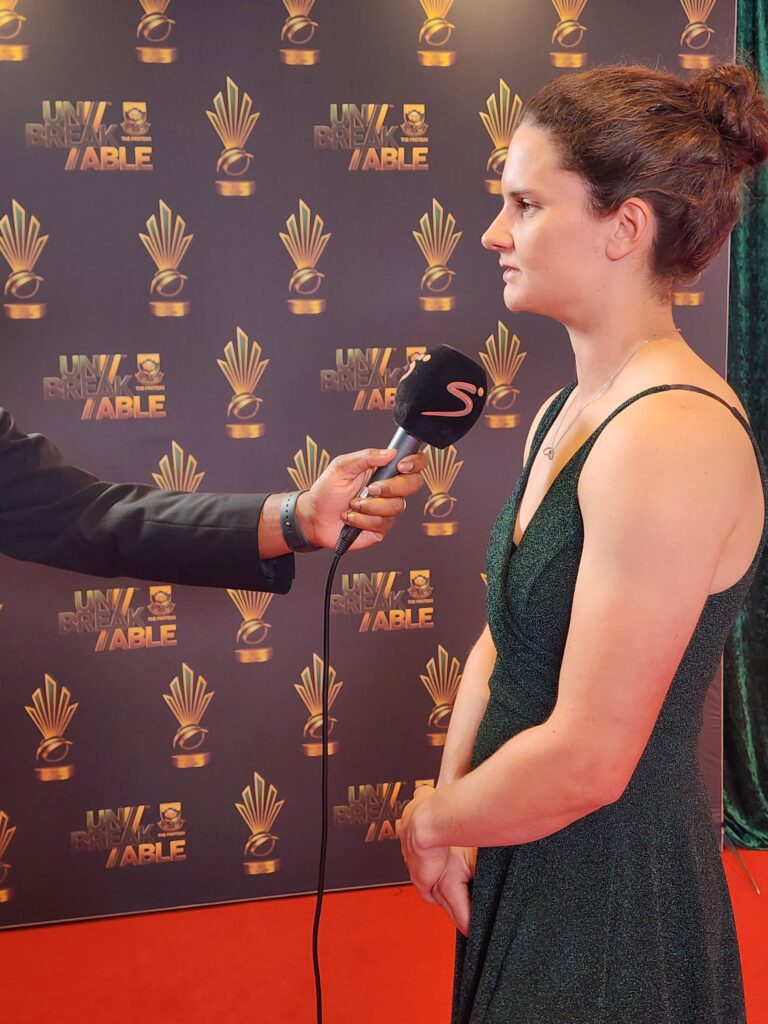
Her collection of Women’s Player of the Year, Women’s Players’ Player of the Year and Women’s ODI Player of the Year awards reflected months of relentless consistency. She finished the 2025 Women’s World Cup as the tournament’s leading run-scorer with 571 runs, producing centuries in both the semi-final and final as South Africa reached another global final.
What continues to impress is not simply the volume of runs but the calmness with which she scores them. Whether conditions favour the bowlers or the batters, Wolvaardt rarely appears hurried. She has developed into the sort of batter every successful side is built around.
Simon Harmer’s award perhaps carried the greatest sense of satisfaction. International cricket has a habit of moving on quickly, particularly once players reach their late thirties. Harmer ignored the script completely.
Named Test Player of the Year, the off-spinner claimed 30 wickets in only four Tests during the awards period, including match-winning performances against Pakistan before producing masterclasses in South Africa’s memorable series victory over India. His figures in Kolkata and Guwahati told only part of the story. More impressive was the control he exerted over world-class batters who simply found no way to settle against him.
Lungi Ngidi added three more awards to his collection, taking home the Men’s T20 International Player of the Year and the Fans’ Player of Year award. His dismissal of England captain Jos Buttler was voted the Men’s Delivery of the Season, one of those moments that reminds you why genuine pace remains such a compelling part of the game.

Matthew Breetzke’s emergence earned him the Men’s ODI International Player of the Year award, while Dewald Brevis and Kayla Reyneke were recognised as the international newcomers of the year after seasons that suggested South Africa’s future remains in very capable hands.
The domestic game also had its share of standout performers.
Quinton de Kock dominated the Betway SA20, finishing as the competition’s leading run-scorer on his way to being named both Player of the Season and Batter of the Season. Ottneil Baartman’s outstanding campaign was rewarded with the Bowler of the Season award, while Jordan Hermann continued his rapid rise by collecting the Rising Star honour.
Beyond the international spotlight, Kyle Simmonds and Mignon du Preez were recognised as the domestic Most Valuable Players, while Robin Peterson, JP Triegaardt and Sandile Masengemi received deserved recognition for their coaching achievements.
The evening also acknowledged those whose contribution is measured less by statistics than by the standards they uphold. Arno Jacobs and Lubabalo Gcuma were honoured for their work as officials, while Sinalo Jafta received the Makhaya Ntini Power of Cricket Award.
The awards came after a year that will occupy an important place in South African cricket’s history. The World Test Championship triumph at Lord’s was the obvious centrepiece, ending years of frustration and proving that South Africa could once again conquer the game’s biggest occasion. The Proteas Women continued their remarkable consistency by reaching another World Cup final, while a successful Test tour of India reinforced the sense that South African cricket has found stability after several uncertain years.
Individual awards inevitably focus on names, statistics and trophies.
What they cannot fully capture is everything that sits behind those achievements. The hours on practice fields, the quiet conversations with coaches, the patience required after injury or disappointment, and the countless people whose work rarely attracts attention.
That is perhaps why these awards continue to resonate.
They celebrate the players standing on stage, but they also recognise a season in which South African cricket reminded itself, and the rest of the cricket world, that it belongs among the game’s leading nations once again.