
By Lehlohonolo Lehana.
An internal act of sabotage is suspected to be the reason for the theft of copper pipes at the Chris Hani Baragwanath Academic Hospital this week.
This is according to CEO Nkele Lesia, who was addressing the media outside the hospital yesterday.
“Whoever stole that pipe knew exactly that is was an oxygen pipe and it was going to ICU. There were many other pipes in that area but they chose that one,” she said.
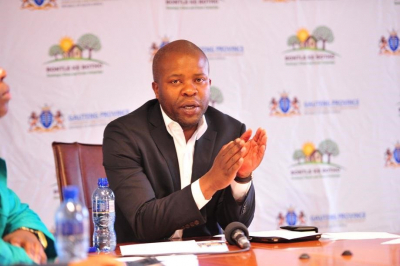
Lesia made the remarks alongside Gauteng MEC for human settlements and infrastructure development Lebogang Maile, who visited the hospital after a copper pipe supplying water to two of the hospital’s theatres and the pipe supplying oxygen to the ICU was cut earlier this week.
She described the act as selfish as a lot of patients could have lost their lives had it not been for staff who acted swiftly. “All those patients could have perished. They could have stolen metal from anywhere else but not in that building.”
Maile said, based on their preliminary assessment, this act was a deliberate act of sabotage.
We do not have anything concrete as yet but that is our view,” he said.
“Where the pipes were stolen, it is not everyone who knows. You must be working in the hospital to know their access and have their access,” said Maile.
Lesia could also not rule out the possibility of the incident being an inside job. “If it is collusion from anyone of us, then clearly that person does not share the same values with us,” she said
“This is a matter of life and death. It is very concerning that someone working in a hospital can have such devious thoughts they can sabotage services to this extent.”
On Tuesday, Gauteng Health MEC Nomantu Nkomo-Ralehoko condemned the copper pipe theft that disrupted oxygen to the ICU.
“The people who stole the copper pipe should not just be charged with theft, but also with attempted murder.
“They intentionally put the lives of 24 patients at risk, 19 of whom were on life support and depended on access to oxygen through artificial ventilation,” she said.