
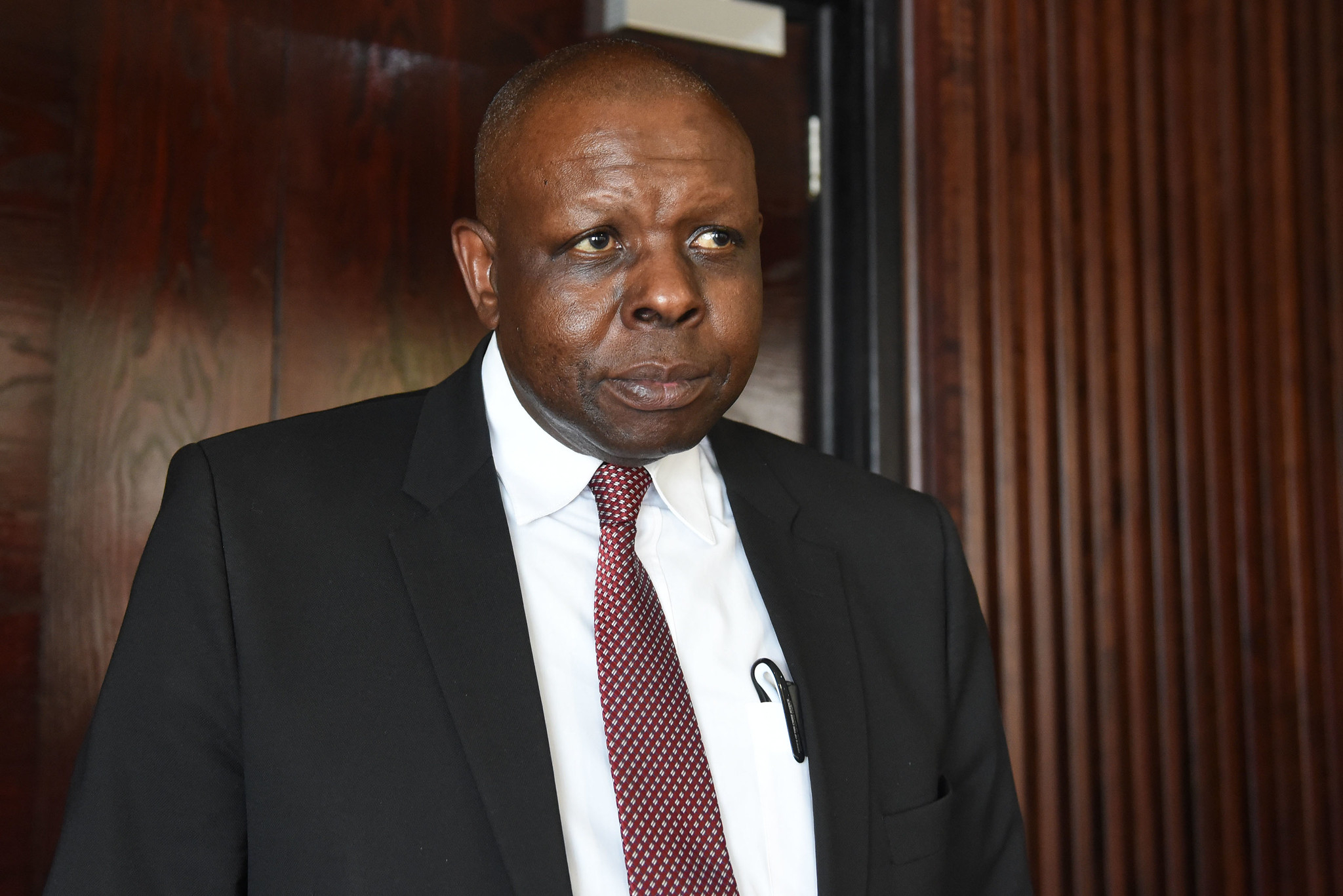
By Lehlohonolo Lehana.
The Democratic Alliance (DA) have joined the fray by filing court papers in an attempt to remove uMkhonto weSizwe Party (MK Party) parliamentary leader and former judge Dr John Hlophe from the Judicial Service Commission (JSC).
The impeached Hlophe was delegated by the National Assembly to the JSC. This after his term as the Western Cape High Court Division judge president came to an end when the same body found him guilty of misconduct.
The JSC in 2021 affirmed a finding by the Judicial Conduct Tribunal that Hlophe had committed gross misconduct by raising a pending ruling relating to former president and now MK party leader Jacob Zuma’s arms deal corruption case with two constitutional court justices.
The tribunal found that Hlophe seemed to have been on a politically motivated “mission” to sway justices Chris Jafta and Bess Nkabinde when he tried to raise the matter with them in separate meetings in the spring of 2008, a year before Zuma became president.
Fourteen years later, the National Assembly approved a resolution that President Cyril Ramaphosa remove him from the bench. Hlophe maintained that he had done nothing wrong, and repeatedly delayed the misconduct inquiry by way of legal challenges, and unsuccessfully took the findings on legal review.
The African National Congress (ANC) did not oppose his nomination when appointing the parliament’s new representatives to the commission a fortnight ago, on the basis that nothing in law or in the rules of parliament prohibited the appointment of an impeached judge.
The DA argues that the ANC was wrong about the law when it saw no legal impediment to his appointment.
The National Assembly’s decision to send the Hlophe to the JSC was irrational and “inconsistent with the dignity and independence of the judiciary”, the DA said in court papers.
The DA’s application comes in two parts with Part A seeking an urgent interdict against Hlophe from taking up the position in the JSC, while Part B is a review application seeking to set aside the decision of the National Assembly to designate Hlophe as a representative at the JSC.
In the application, the DA argues that Hlophe’s participation in the JSC would render any recommendation it makes to the president as unlawful and undermine the integrity of the body.
In essence, the DA therefore seeks to prevent Hlophe from serving on the JSC until the legality of his election to the commission is determined by the court.
The DA concludes that the MK Party had the opportunity to field a different candidate other than Hlophe whose image does not allow him to be part of the same institution that impeached him.
The application dated July 19, cites Hlophe as the first respondent, the Speaker as the second, the JSC as the third, the MK Party as the fourth, and all other parties represented in the National Assembly as fifth respondents.
Civil Rights Groups Afriforum and Freedom Under Law have also challenged the appointment of Hlophe.While many in the legal fraternity regard the matter as ripe for legal review, they also note the courts are rightly loath to wade into the realm of the legislature.