
By Lehlohonolo Lehana.
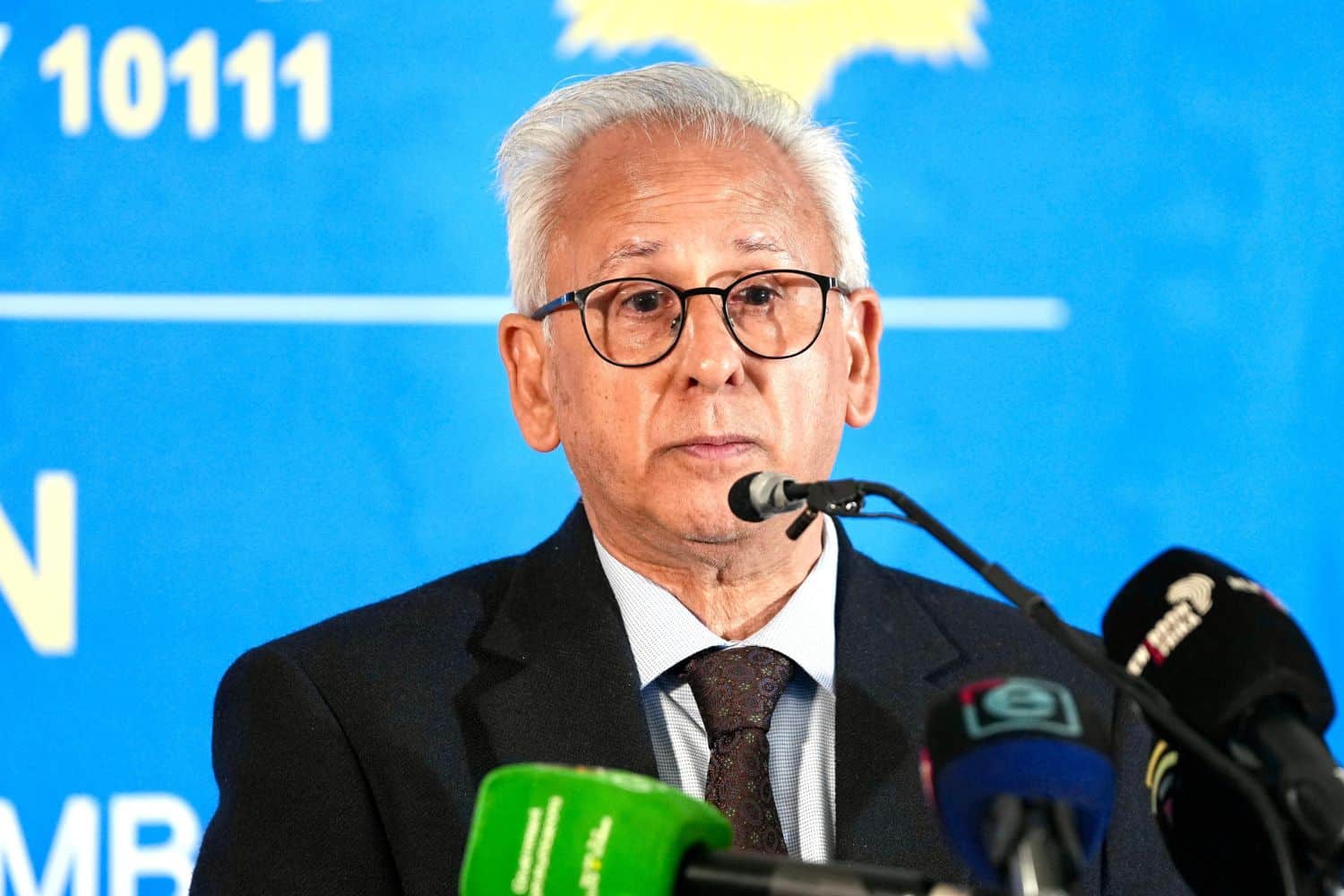
Police Minister Firoz Cachalia has called on those participating in the planned demonstrations against illegal immigration to protest peacefully and within the bounds of the law.
The organisers of the anti-immigrant protests imposed a 30 June “deadline” for undocumented foreign nationals to leave the country.
The group accused undocumented migrants of occupying RDP houses, operating unlicensed businesses, and taking jobs in sectors such as agriculture, retail, hospitality, and construction.
Cachalia and Defence Minister Angie Motshekga, briefed the media on Monday at the Gauteng South African Police Service (SAPS) head office in Parktown following a high-level security meeting to assess risks and coordinate law enforcement response ahead of the planned protests.
He assured the South Africans that government has taken extensive measures to ensure that the country remains safe and secure.
“The South African Police Service has elevated its operational readiness across all provinces, with comprehensive deployment plans in place to protect communities, critical infrastructure and key public spaces.”
Cachalia said preparations for the protests were costing the country about R600 million.
“I can tell you that it’s going to cost the South African police service over 600 million. That’s what it costs when there are efforts to destabilise the country,” Cachalia said.
He stressed that South Africans have a constitutional right to protest peacefully and unarmed, adding that anyone carrying a weapon during the demonstrations would be acting unlawfully.
The minister warned that law enforcement agencies would act decisively against anyone who incites violence or threatens public safety.
Government has urged organisers to comply with the Regulation of Gatherings Act by notifying authorities of their plans, providing details such as the expected number of participants and marshals, and ensuring demonstrators understand the rules governing public gatherings.
The minister further said that the South African National Defence Force (SANDF) will act as a force multiplier and be roped in to assist if the situation escalates.
“The SANDF may be called upon if additional capacity is required to support policing operations and safeguard critical infrastructure, particularly in high-risk areas.”
Cachalia also met SAPS management, led by Acting National Commissioner Lieutenant-General Puleng Dimpane, at the Tshwane Academy College in Pretoria to receive a briefing on the SAPS’ operational readiness
He added the police had increased their readiness nationwide, with Gauteng, KwaZulu-Natal, the Eastern Cape and Western Cape identified as hotspots.
President Cyril Ramaphosa warned South Africans that scapegoating vulnerable people was not the solution to the country’s complex economic challenges.
“The so-called 30 June is not an event that is even necessary because we are addressing the challenges our people are facing. We must not allow South Africans to be duped and to be misled by those who want to foster instability in our country. We will not allow that, security forces will ensure there is no instability and disruption of the lives of our people,” he said.
According to the UNHCR (the UN Refugee Agency), in 2025, South Africa hosted more than 167,000 refugees and asylum-seekers in a “fragile” environment of rising xenophobia, misinformation and socioeconomic pressures.