
By Lehlohonolo Lehana.
President Cyril Ramaphosa announced on Tuesday that verified Truth and Reconciliation Commission (TRC) victims in Ndwedwe, Kwazulu-Natal (KZN) will benefit from the long-awaited reparations programme, which includes once-off housing grants or the construction of new homes.
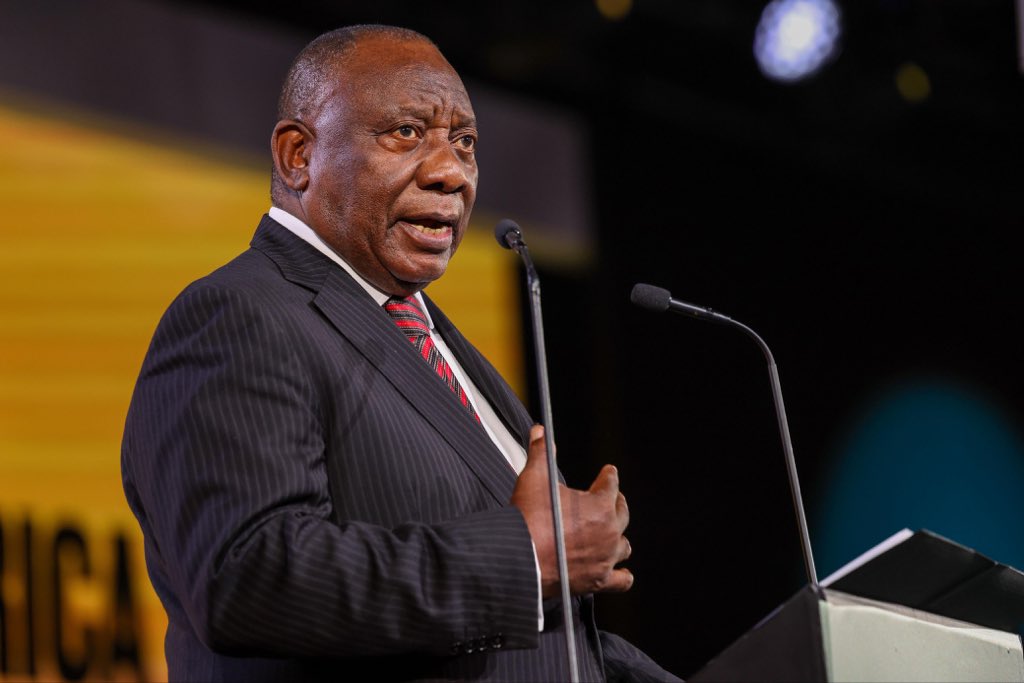
Ramaphosa made the announcement during the launch of the Truth and Reconciliation Commission (TRC) Housing Assistance Reparations at the Sonkombo Sports Field in Ndwedwe.
The launch marks the implementation of housing support for TRC-identified victims and commemorates 30 years of the TRC and the adoption of the Constitution 30 years ago, with a symbolic handover to beneficiaries forming part of the programme.
Established in terms of the Promotion of National Unity and Reconciliation Act, the Truth and Reconciliation Commission (TRC) was a restorative justice body that investigated apartheid-era human rights violations, facilitated amnesty in certain cases, and provided for victim reparations and reconciliation.
Ramaphosa said government was marking the implementation of regulations that allow victims of apartheid, identified through the TRC process, to receive housing assistance from the State.
The president handed over symbolic cheques, representing R40-million in cumulative assistance being provided to verified beneficiaries.
Representatives of traditional leaders received the symbolic cheques on behalf of beneficiaries to respect their safety and privacy.
The programme is nationwide, and applications have been received from victims across the country.
“The handover of these symbolic cheques today affirms our belief that reconciliation and reparations must be concrete and tangible,” he stated.
Ramaphosa noted that as of March, the total number of approved listed beneficiaries in Ndwedwe, north of Durban, was 220.
He said 114 approved beneficiaries in Ndwedwe had already been paid out about R21-million by the President’s Fund, which was established in terms of the TRC Act.
Ramaphosa highlighted that to respect the safety and privacy of beneficiaries, representatives of traditional leaders would be receiving the cheques on their behalf.
During the late 1980s and early 1990s, Ndwedwe was one of the areas in KwaZulu-Natal most affected by political violence, with many people forced to flee their homes.
The effects of the violence lasted many years, and some persist to this day.
The TRC documented hundreds of cases of arson, assaults, killings and forced removals in Ndwedwe and formally recognised several residents as victims of gross human rights violations.
Ramaphosa said Ndwedwe stood as a powerful site of memory and survival, representing rural communities whose suffering often received less public attention but was no less devastating.
The final report of the TRC made several recommendations to the President on possible measures that could be taken to restore the dignity of victims.
These measures included one-off grants, medical benefits and other forms of social assistance, the construction of monuments, and other forms of community rehabilitation.