
By Lehlohonolo Lehana.
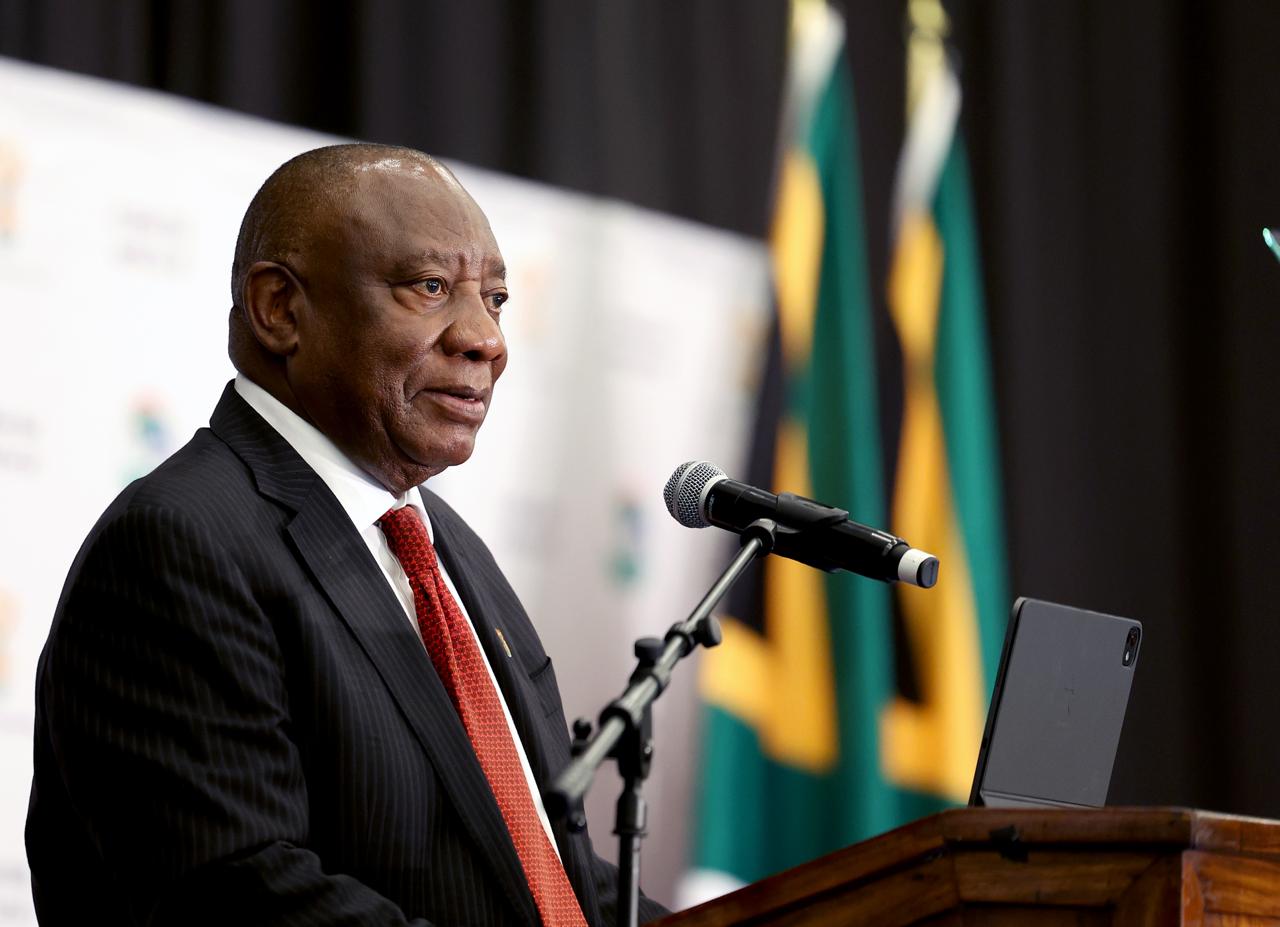
President Cyril Ramaphosa outlined a Comprehensive Approach for Migration Management as part of a broader effort to address illegal immigration in South Africa.
South Africa has seen a surge in xenophobic attacks over recent months, with foreigners being blamed for fuelling unemployment and crime, and for placing further pressure on already overstretched government services.
About 60 people died and 50 000 were displaced in a spate of attacks directed against migrants in 2008, and fears are mounting of renewed and intensified violence.
Addressing the nation on Sunday, Ramaphosa said the plan was adopted by Cabinet last week and endorsed by the President’s Coordinating Council, which includes Premiers, local government representatives and traditional leaders.
The president announced five pillars of government’s new migration strategy: intensified enforcement of immigration and labour laws, stronger border controls, a crackdown on corruption within the immigration system, legislative reforms and greater cooperation with African countries on migration challenges.
Among the most significant measures is the establishment of dedicated immigration courts to speed up the deportation of undocumented migrants.
Ramaphosa said the Department of Home Affairs, Border Management Authority, South African Police Service and other law enforcement agencies would intensify efforts to identify and deport foreign nationals residing illegally in the country.
According to the president, the Border Management Authority (BMA) intercepted more than 450,000 people attempting to enter South Africa illegally over the past year.
Government will also increase workplace inspections targeting businesses that employ undocumented foreign nationals.
As part of that effort, the Department of Employment and Labour has begun the phased recruitment of 10,000 labour inspectors during the current financial year.
Ramaphosa accused some employers of exploiting undocumented migrants by paying below-minimum wages and subjecting workers to poor conditions.
“We are going to increase the penalties, including imprisonment, for employers who violate the Immigration Act,” he said.
The president also announced plans to strengthen border security through additional investment in technology, infrastructure and personnel.
Refugee reception centres will gradually be relocated closer to border posts, beginning with the Tshwane refugee reception centre, in a move government says will improve the processing of asylum applications.
Home Affairs will establish what Ramaphosa described as an “Intelligent Population Register” containing biometric information for every person in the country, laying the foundation for a future digital identity system.
Government also intends phasing out the green barcoded identity book, which Ramaphosa said had enabled identity theft and abuse by criminal syndicates.
In a further policy shift, government has finalised the National Labour Migration Policy, which proposes quotas for the employment of documented foreign nationals in specific sectors and occupations.
The Employment Services Amendment Bill, already approved by Cabinet for introduction to Parliament, will empower the labour minister to determine those quotas.
The exact number of undocumented migrants living in South Africa remains disputed, though anti-immigration groups estimate there could be more than 3 million people in the country illegally.
Last month, Ghana repatriated about 300 of its citizens from South Africa following increased anti-immigrant violence.
The West African nation advised its citizens to avoid non-essential travel to South Africa until further notice due to the ongoing violence targeting African migrants.