
By Lehlohonolo Lehana.
The National Council of Provinces (NCOP) has extended the deadline for the submissions on the National Health Insurance Bill to Friday, 15 September 2023.
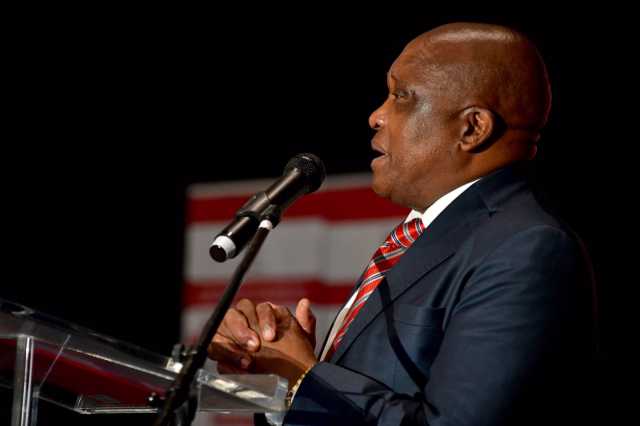
The chairperson of the select committee on health and social services in the NCOP, Zoyisile Njadu, said they had received requests from a number of stakeholders to extend the deadline.
Initially, the committee had set September 1 for the public to make submissions on the NHI Bill, but the new deadline is now September 15.
“The purpose of the bill is to establish and maintain a NHI Fund funded through mandatory prepayment that aims to achieve sustainable and affordable universal access to quality health care services.
“The fund will operate on the basis of single purchaser and single payer of health care services by pooling funds and strategic purchasing of healthcare services and goods from accredited and contracted health care service providers. The NHI envisages a standardised healthcare system, wherein everyone, rich and poor, rural and urban, can receive the same level of quality healthcare,” said Njadu.
“The NHI is a fund from which the government will buy healthcare services for South Africans from healthcare providers both in the public and private sectors. It is a fund to pay for healthcare, and all of us will contribute to this fund through taxes and special contributions in line with what we can afford. It will ensure that everyone is entitled to free healthcare when they need it, and there will be no fees charged at the facility because the fund will cover the costs of care,” he added.
The Bill is already before the National Council of Provinces (NCOP) after being passed by Parliament in June, in spite of vehement opposition.
Should it pass at the NCOP, it will then be sent to President Cyril Ramaphosa to be signed into law.
The Bill has received wide criticism from the private healthcare sector and has been questioned on its constitutionality by medical aid providers, the public, business leaders and even parliament’s own legal service.
In principal, most stakeholders are not against the idea of the NHI and universal healthcare; however, in a South African context, issues of affordability, corruption, skill capacity and state competence have repeatedly been flagged as barriers to its implementation and efficacy in the country.
One of the biggest issues with the Bill is regarding funding, with Health Minister Joe Phaahla saying, vaguely, that the government will pay for the scheme – meaning that taxpayers will foot the bill.
The government itself has not provided any estimate for how much money will be required to run the scheme, but researchers have put the total cost anywhere between R300 billion and R660 billion a year.
Even without an official figure, the NHI will undoubtedly be one of the largest expenses in the South African budget by a significant margin. At the same time, available funds are shrinking due to the government’s poor economic policies.