
By Lehlohonolo Lehana.
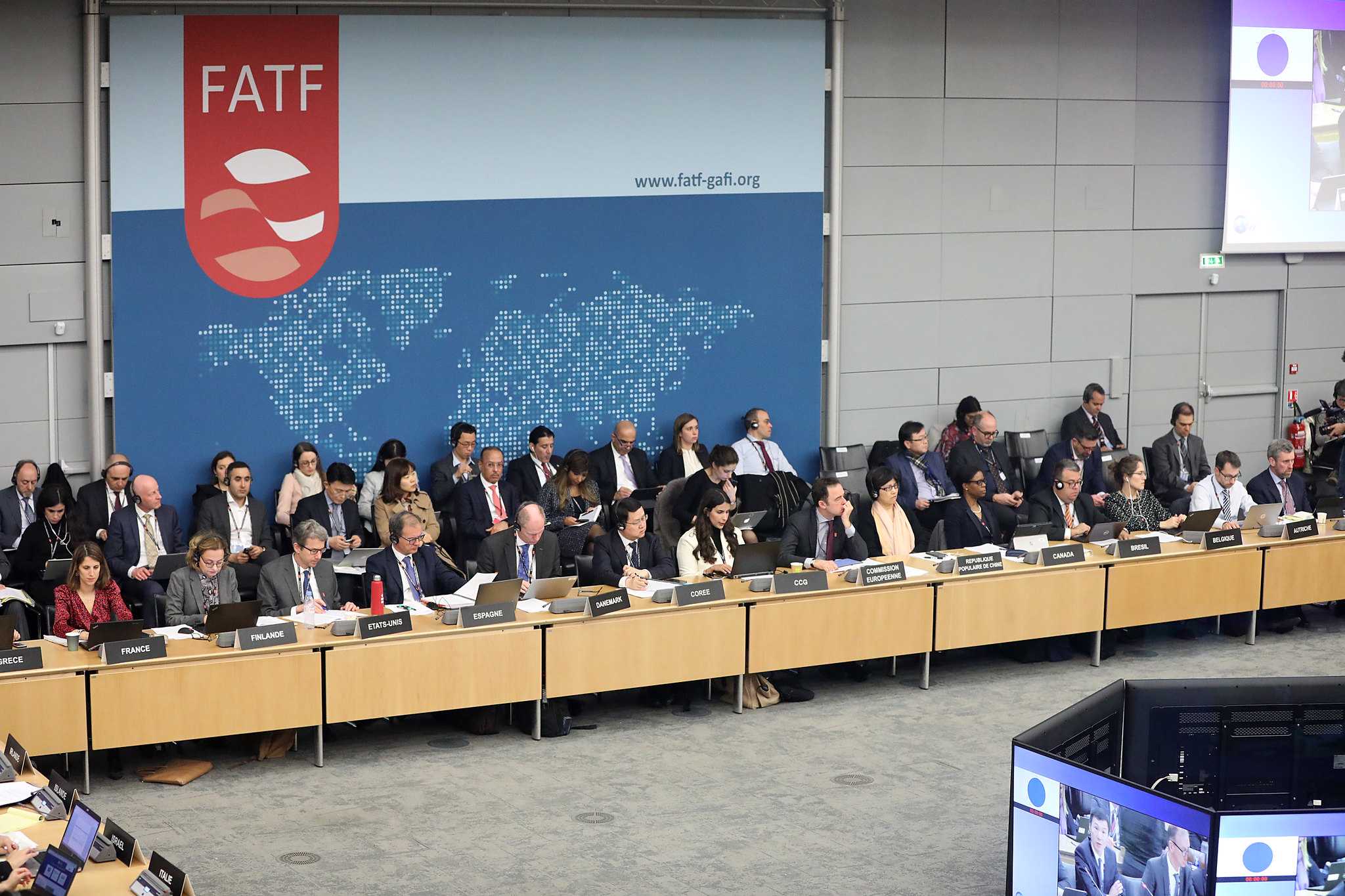
South Africa has been greylisted by global anti-money laundering watchdog the Financial Action Task Force (FATF), it was confirmed in an update on its website on Friday.
While South Africa’s inclusion on the list was widely flagged as a risk, the addition of Nigeria came as a surprise. Morocco and Cambodia were taken off the list after improving their controls.
“When the FATF places a jurisdiction under increased monitoring, it means the country has committed to resolve swiftly the identified strategic deficiencies within agreed time frames,” the Paris-based agency said in a statement on its website.
“The FATF does not call for the application of enhanced due diligence measures to be applied to these jurisdictions” that have been added to the list, it said.
It said that in recent months, South Africa has made significant progress on many of its recommended actions to improve its system.
But more work is needed to increase investigations and prosecutions of money laundering, as well as the seizure of assets due to crimes. Eight areas of improvement were identified.
The rand slumped as much as 1.2% against the dollar after the decision as announced.
Friday’s decision was not unexpected. Delivering the Budget in Parliament on Wednesday, Finance Minister Enoch Godongwana said SA should be “prepared for the possibility” of greylisting.
In response to the announcement on Friday, Godongwana said South Africa would work to “swiftly and effectively address all outstanding deficiencies and strengthen the effectiveness of its anti-money laundering and counter-terrorist financing regime”.
Godongwana said Cabinet has considered the action plan put forward by the FATF and had committed to actively work with the watchdog.
Greylisting is expected to hike the cost of doing business in South Africa by increasing the amount of due diligence companies have to carry out.
South Africans may also find sending funds offshore and transacting with international banks more onerous.
Greylisting has also historically also led to a decline in foreign investment.
The Consequences of Grey Listing for South Africa
In essence, the possibility of a FATF grey listing may present a threat to South Africa’s financial growth and status as a regional leader:
Loss of Capital Flow
- According to the IMF, countries grey listed by the FATF typically suffer an average net loss of 7.68% of capital flow into their states relative to GDP.
- The domestic financial cost of subsequent compliance can be significant – coupled with the fact that it often takes 2–5 years for a country to be removed from the grey list once the mandated requirements are duly satisfied and accepted by the FATF.
- Grey listing discourages foreign investment, and South Africa stands to suffer foreign direct investment shrinkage as a consequence.
- Portfolio inflows stand to decline.
- Other general investment inflows are also likely to decline.
Perceptual and Reputational Damage
- Foreign banks and investors may become reticent about doing business in South Africa, choosing rather to operate within other jurisdictions that present healthier risk profiles.
- Foreign companies wishing to do business in South Africa may face increased bureaucratic hurdles, costs of operation and onerous levels of scrutiny.
- Countries grey listed by the FATF are automatically considered high-risk jurisdictions by the European Union and the UK (in other words, they are considered jurisdictions with strategic deficiencies in their Anti-Money Laundering/Counter Terrorist Financing regimes that pose significant threats to the financial system).
- South Africa, as a brand, stands to be re-evaluated, and to drop in ranking within the global marketplace.
Some commentators believe the cost of grey listing has already been factored into much of the South African market, but even if this is the case, the true impact of FATF grey listing remains to be seen.