
By Lehlohonolo Lehana.
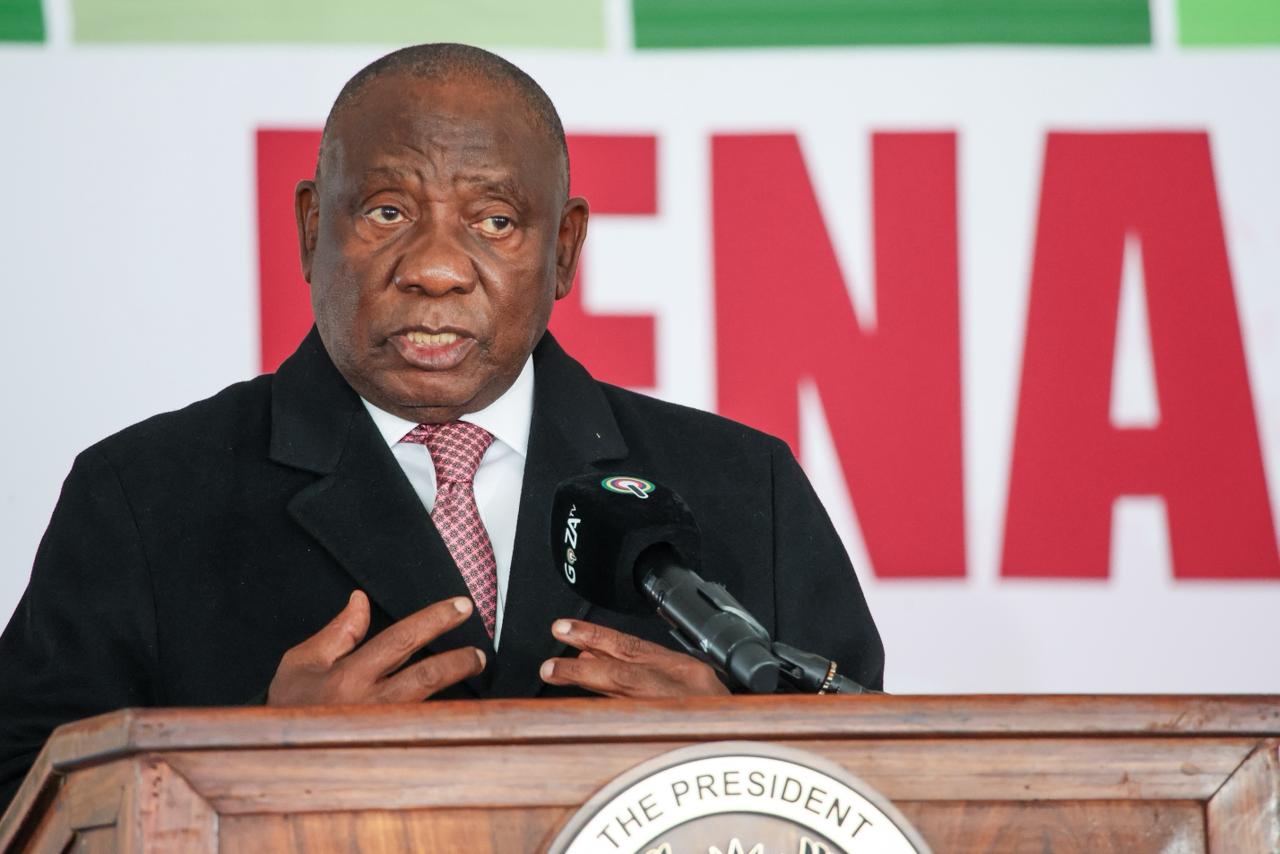
President Cyril Ramaphosa officially launched the national rollout of Lenacapavir, a new long-acting HIV prevention injection that has the potential to transform HIV prevention and expand access to life-saving healthcare at the Lilian Ngoyi Stadium in Secunda, Mpumalanga.
The launch comes a few days after the anniversary of the passing of the HIV/AIDS activist Nkosi Johnson on 1 June 2001. Johnson passed away at the age of 12.
It is the evidence that the country which launched the world’s biggest HIV counselling, testing and treatment campaign in 2010, is making headway in the fight against the disease.
Since the launch of the campaign, the Department of Health (DoH) in its 2026 Budget Vote said that the country has increased life expectancy to 66.9 years, by 2025 from a low of 54 years in 2010 and reduced maternal mortality to 89 deaths per 100 000 live births by 2020, from a high of 240 deaths per 100 000 live births in 2010.
According to Statistics South Africa’s (Stats SA) Mid-Year Population Estimates 2025, an estimated 8.15 million people in South Africa were living with HIV, accounting for approximately 12.9% of the total population. Among adults aged 15 to 49 — the most affected group — the HIV prevalence rate stood at an estimated 18.1%.
South Africa has received a donation of 900,000 doses from the Global Fund, which is expected to benefit more than 400,000 individuals.
Ramaphosa revealed that 360 public health facilities across six provinces and 24 high-burden districts were fully prepared to administer the groundbreaking intervention.
He described Lenacapavir more than just a medication, calling it one of the most significant scientific breakthroughs since the introduction of antiretrovirals treatment (ART).
“To us, Lenacapavir is not just a medicine or a drug; to us it represents a major turning point in South Africa’s national story,” Ramaphosa said. “It represents the triumph of science over despair. It represents the power of innovation to save lives. And above all, it represents hope.”
The revolutionary treatment requires only a single injection administered twice a year, providing powerful protection against HIV infection. Ramaphosa explained that this practical intervention would transform lives by dramatically reducing the barrier of daily adherence associated with traditional oral medication.
Daniel O’Day, CEO of Gilead Sciences, emphasised the 17 years of development behind the drug.
“What kept us going was the understanding that a twice-yearly prevention option could one day make a meaningful difference in the fight to end HIV,” he said.
O’Day also highlighted the integral role of South African scientists and clinical trial participants, noting that the trial design specifically included critical populations like pregnant and breastfeeding women, ensuring the drug’s approval reflected real-world needs from day one.
He highlighted the fact that South Africa received the drug in the same year as the US approval, a first for Sub-Saharan Africa.
Health Minister Aaron Motsoaledi confirmed that the government is already moving to secure licensing agreements that could open the door for local companies to manufacture cheaper generic versions, massively expanding public access.
Motsoaledi explained that the state will soon invite pharmaceutical companies to bid for generic production, though the regulatory approval process will take some time.
However the minster said, it would take the regulator, Sahpra up to six months to review the documents received from the company to ensure patient safety before full-scale administration.
The minister thanked Gilead Sciences for waiving its 20-year intellectual property rights by granting six voluntary licences to companies to start manufacturing generics. “I’m standing here to thank Gilead, because they were told by civil society and experts that the world does not have 20 years to wait, and they agreed.”