
By Adelaide Changole.
South Africa stands a good chance of regaining its investment-grade credit rating within two years and next week’s mid-term budget could take another step toward that goal, according to Investec Wealth & Investment International.
The fund manager sees a more than 50% chance the country will restore its investment grade rating by 2028, propelled by economic reforms and fiscal discipline that have shifted sentiment after years of being shunned by investors.
“A sufficiently credible medium-term budget policy statement could support an initial move by Moody’s Ratings and S&P Global Ratings to one notch below investment grade” said investment strategist Osagyefo Mazwai. “If that progress is reinforced in the 2027 budget and 2027 MTBPS, an investment-grade rating by 2028 becomes achievable.”
Both ratings companies already have South Africa’s credit assessment on a positive outlook.
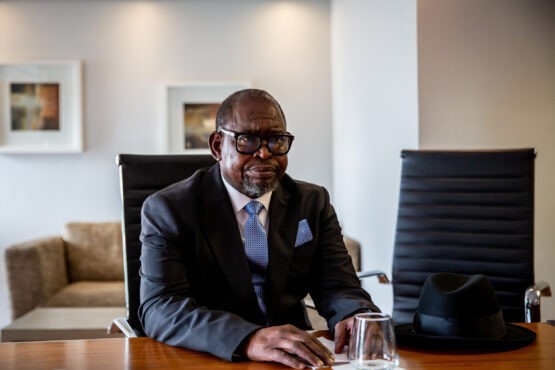
Finance Minister Enoch Godongwana will deliver the mid-term budget update on October 21 and is expected to show continued growth in the country’s primary budget surplus – a gauge of how much revenue exceeds non-interest expenditure – amid stronger corporate tax receipts.
He’s also expected to lay out more details for a fiscal framework to ensure long-term budget discipline that keeps the ratio of government debt as a percentage of gross domestic product under control.
The mid-term budget “needs to show that National Treasury is committed to a credible fiscal anchor, that the debt trajectory is moving decisively toward debt-to-GDP reduction, and that debt-service costs have peaked and can decline,” Mazwai said.
Credit-default-swap spreads suggest that markets are anticipating imminent upgrades to one notch below investment grade, Mazwai said.
Moody’s, which now rates South Africa Ba2 — two notches below investment grade — said earlier this week that the country is headed for its first credit-rating upgrade since 2009, provided it’s fiscal performance continues to improve.
The nation obtained a full house of junk ratings in 2020 when Moody’s Ratings downgraded its debt assessment, leaving it without an investment-grade assessment for the first time in 25 years.
More recently, sentiment has been warmed by the Treasury’s success in keeping the budget on track and by the central bank lowering its inflation target to 3% last year, which was subsequently endorsed by Godongwana in a sign of government support.
That’s helped turn the page for investors after a decade of overspending under former President Jacob Zuma, who’s nearly nine years in office was marred by corruption and mismanagement.