
By Kevin Rademeyer, Sports journalist.
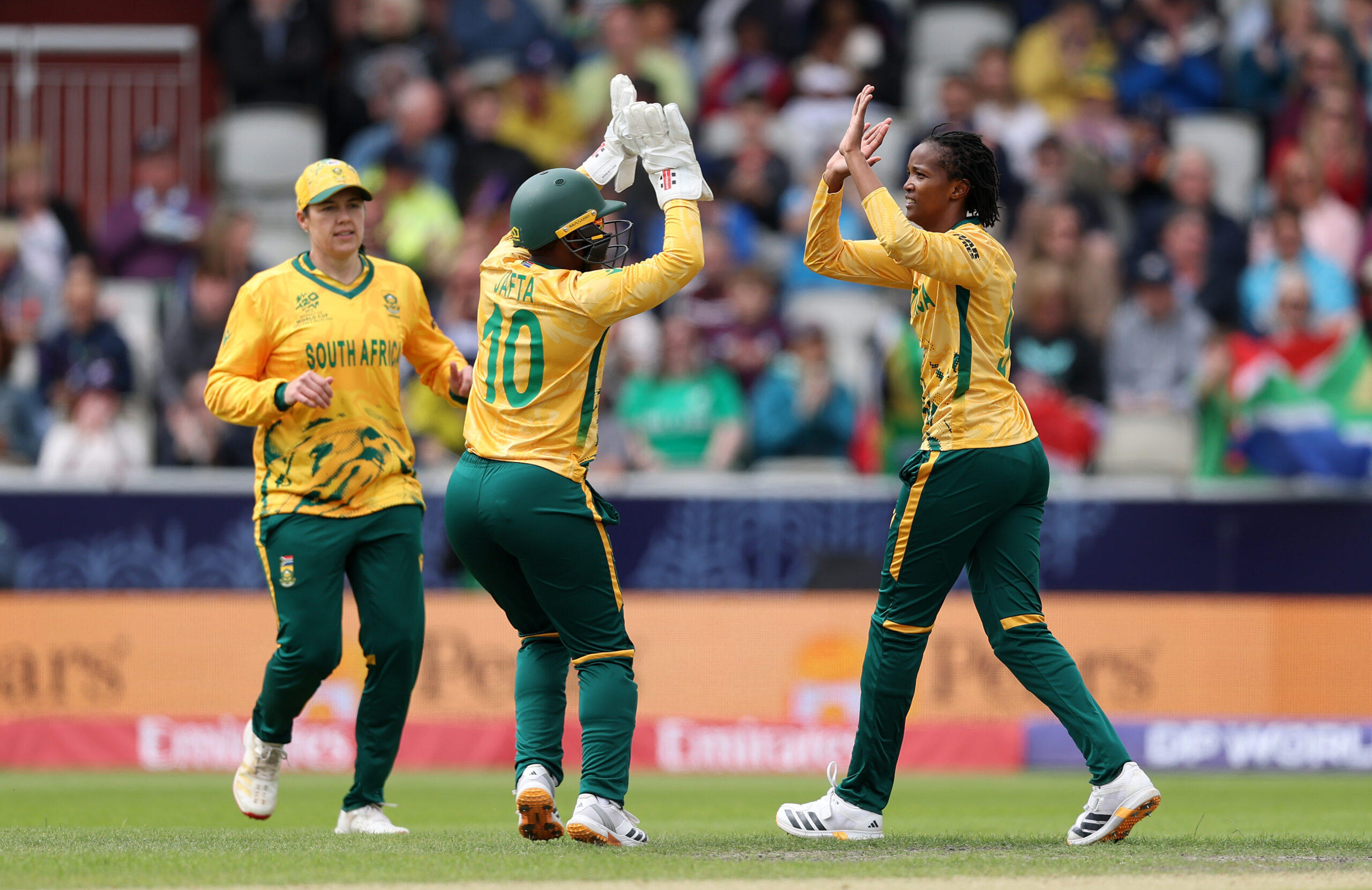
Photo Credit: CSA.
South African sport endured a bruising opening weekend on the global stage as both Bafana Bafana and the Proteas Women suffered heavy defeats in their respective World Cups, leaving supporters wondering whether another promising generation can overcome the challenges that have historically undermined major tournament campaigns.
Within 48 hours, Hugo Broos’ men fell 2-0 to hosts Mexico in the opening match of the FIFA World Cup, while Laura Wolvaardt’s Proteas Women were comprehensively beaten by Australia in their ICC Women’s T20 World Cup opener at Old Trafford.
The defeats were damaging in different ways, but they shared a common theme. Both South African teams began their tournaments with plans that were quickly disrupted by moments of pressure, forcing them into reactive performances against experienced opponents who rarely allow a route back into contests once they gain control.
For Bafana Bafana, the occasion itself appeared to play a significant role. Playing in front of more than 80,000 supporters at the iconic Azteca Stadium, South Africa abandoned the proactive style that had carried them through qualification. Broos opted for a conservative 3-5-2 system, hoping to frustrate Mexico and gradually turn the pressure onto the hosts.
That strategy unravelled inside the opening 10 minutes when Mexico capitalised on a defensive lapse to take the lead. From that point, South Africa were forced to chase a match they had planned to contain.
The situation deteriorated further shortly after halftime when midfielder Sphephelo Sithole was sent off for denying a goalscoring opportunity. Any hopes of a second half recovery effectively disappeared, while Themba Zwane’s late dismissal compounded a frustrating evening in which South Africa finished with nine men.
Perhaps most concerning was the lack of attacking threat. With Lyle Foster and Rayners isolated for long periods, South Africa struggled to establish any sustained attacking rhythm. Creative players such as Oswin Appollis, who was directly involved in six goals during qualifying, remained on the bench as Mexico comfortably controlled territory and possession.
The challenge facing Broos now is not simply tactical. It is psychological. South Africa cannot afford to carry the disappointment of the Mexico defeat into their crucial clash against Czechia. With the group still wide open, a positive result could immediately revive their hopes of progressing to the knockout rounds.
The Proteas Women face a similar situation after Australia once again demonstrated why they remain the benchmark in world cricket. For a brief period, South Africa looked capable of producing an upset. The returning Shabnim Ismail and veteran all rounder Marizanne Kapp helped reduce Australia to 24 for two, placing early pressure on the six time champions.
However, Phoebe Litchfield’s explosive 50 from just 23 deliveries transformed the contest. Australia recovered impressively to post 172 for eight, a total that always appeared challenging on a used Old Trafford surface despite disciplined spells from Kapp, Nonkululeko Mlaba and Ayabonga Khaka.
South Africa’s response never gained momentum. Early wickets left them chasing the game almost immediately and while captain Laura Wolvaardt battled to 44, Australia’s spin quartet steadily tightened their grip on the contest. The Proteas were eventually bowled out for 107 in just 16.4 overs, handing Australia a convincing 65 run victory.
Wolvaardt was understandably disappointed but remained defiant afterwards, insisting her side would learn from the setback and respond during the remainder of the tournament.
Her confidence may not be misplaced. Prior to the World Cup, South Africa arrived in England following an encouraging period that included a dominant T20 series victory over India and another prolific run of form from their captain. One poor performance does not erase the progress that has taken the Proteas Women from outsiders to genuine contenders in global tournaments.
What makes both defeats particularly surprising is that resilience has long been a defining characteristic of South African sport. Whether in football, cricket or rugby, South African teams have traditionally produced their best performances when confronted by adversity. The country’s sporting identity has been built on physical commitment, collective sacrifice and an ability to thrive when expectations are low.
That reputation will now be tested.
For Bafana Bafana, the solution may involve returning to the attacking principles that delivered qualification. Broos is likely to come under pressure to restore a more familiar shape and introduce greater creativity in the final third. For the Proteas Women, improving their approach against high quality spin bowling and finding greater consistency through the middle overs will be key priorities.
Neither campaign is beyond repair. World Cups are rarely defined by opening matches alone and both teams retain realistic opportunities to recover.
The concern for South African supporters is obvious. The opportunity, however, is equally clear.
The country’s greatest sporting successes have often emerged after setbacks rather than smooth beginnings. If Bafana Bafana and the Proteas Women can rediscover the resilience that has long defined South African sport, their opening defeats may yet be remembered as wake up calls rather than fatal blows.